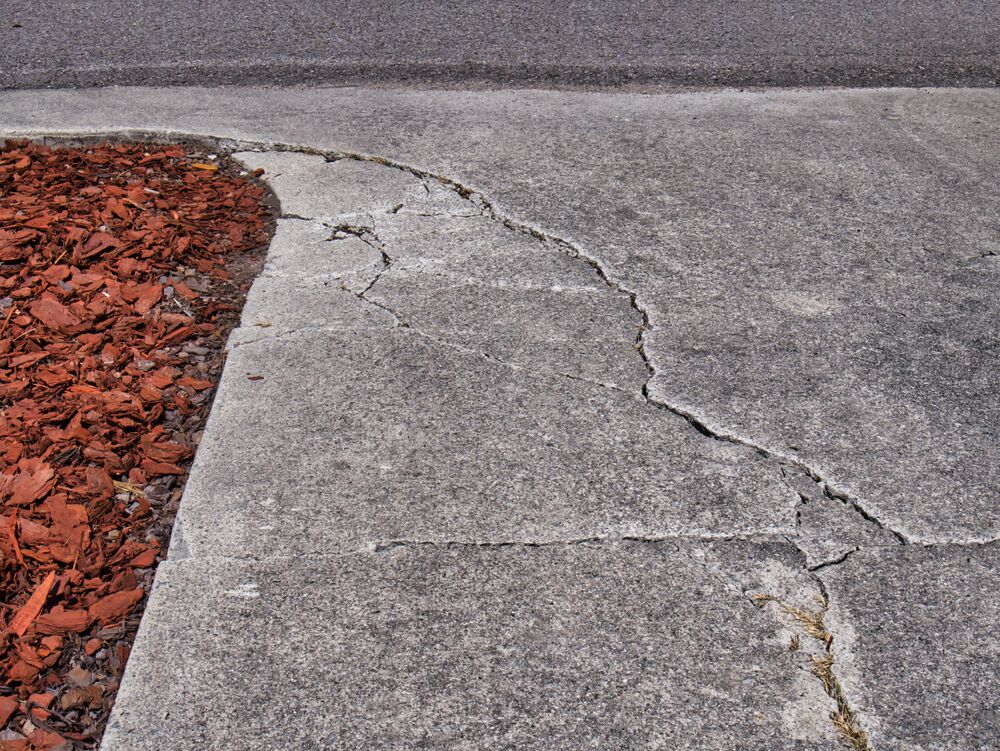
A cracked driveway is more than an eyesore. It allows water to drain underneath the concrete slab accelerating deterioration.
.png)
Driveways are constantly exposed to vehicle traffic, changing weather conditions, and movement within the supporting soil beneath the concrete. Over time, these forces can place stress on the slab and cause cracks to develop.
Some cracks may appear as thin hairline fractures, while others can widen significantly or become uneven. The location, pattern, and severity of the cracking often provide valuable clues about what is happening beneath and around the driveway. Understanding the cause of the cracks is essential when determining the best repair solution.
As the soil beneath a driveway compresses or settles, portions of the slab may lose support and begin to crack.
Water that enters small cracks can freeze and expand during cold weather, causing existing cracks to grow larger over time.
Water movement beneath the driveway can wash away supporting material, creating voids that contribute to cracking and settlement.
Repeated vehicle traffic and concentrated weight can place stress on concrete surfaces and contribute to cracking.
Expanding tree roots beneath or near the driveway can place upward pressure on the slab and cause cracking or displacement.
The proper repair method depends on the cause, severity, and condition of the driveway. In many cases, cracked concrete can be stabilized, lifted, and repaired without the need for complete replacement.
Driveway issues compound in our climate. Acting now matters because:
Honest assessment. Written estimate. Lifetime warranty on every install.