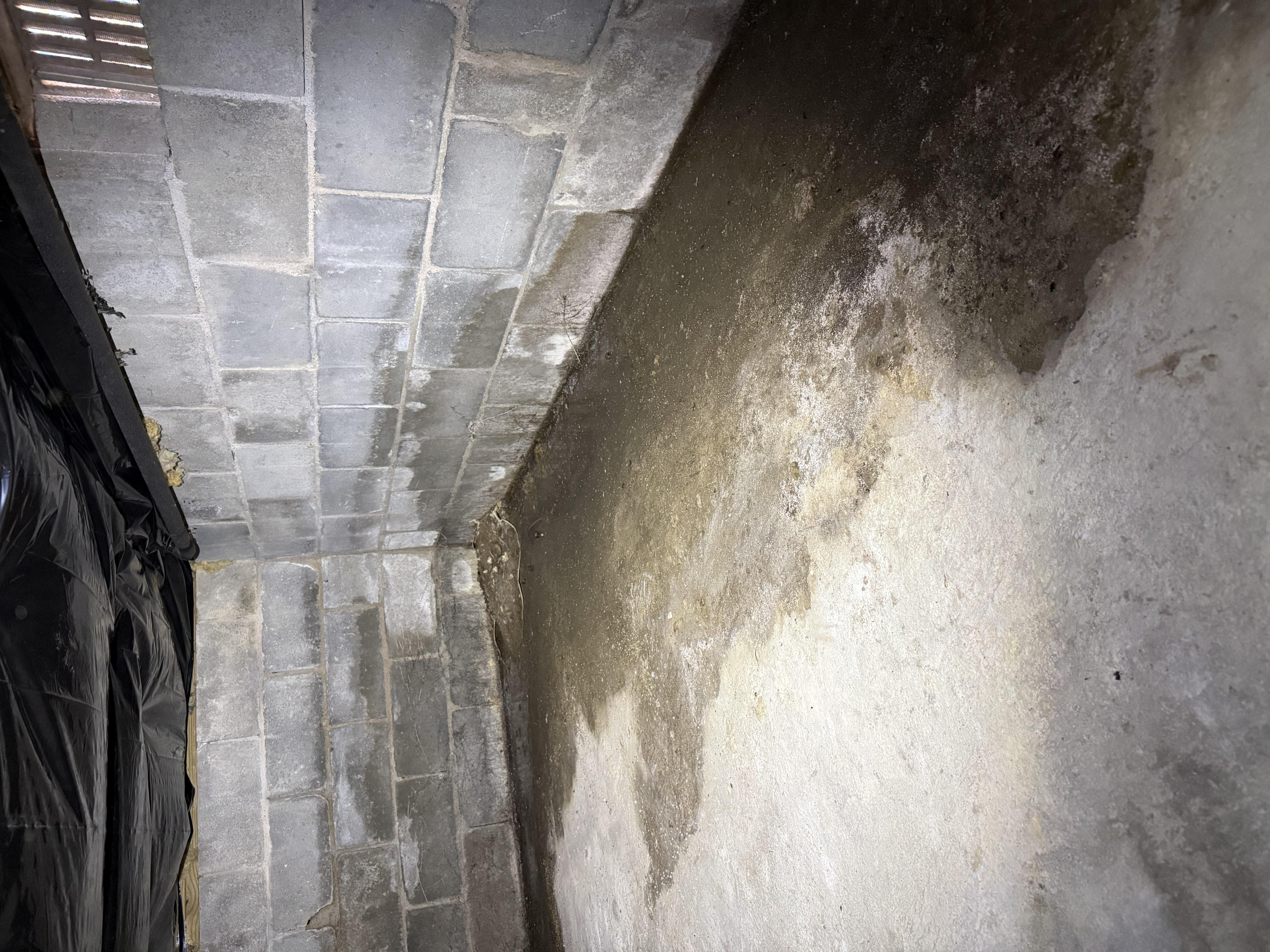
You can’t always see basement humidity, but you can feel it — the thick air, the cold-clammy walls, the smell that hits you halfway down the stairs.
.png)
Basements naturally tend to have higher moisture levels because they are surrounded by soil and located below grade. When moisture enters the basement or humidity levels rise, the air can become damp and uncomfortable, creating an environment where mold, mildew, and moisture-related damage thrive.
Homeowners often notice condensation on pipes, windows, or foundation walls, a damp feeling in the air, or persistent moisture-related odors. Understanding why humidity levels are elevated is the first step toward creating a drier, healthier basement.
Moisture from the surrounding soil can migrate through foundation walls and floors, increasing humidity levels inside the basement.
Improper grading, clogged gutters, and downspouts that discharge near the home can contribute to excess moisture around the foundation.
Small amounts of water entering through cracks, wall penetrations, or floor-wall joints can significantly increase basement humidity.
Warm outdoor air entering a cooler basement environment can create condensation and elevated moisture levels throughout the space.
Controlling basement humidity begins with identifying where excess moisture is coming from. In many cases, humidity problems are the result of water infiltration, drainage issues, or inadequate moisture control systems. Depending on the conditions present, several solutions may be recommended.
Interior drainage systems like gravity, fed drainage cavities, or French drains to control water from inside the home
Some pumps help regulate water rising from underneath the basement due to a high water table
High-pressure crack injection, waterproofing, or carbon fiber reinforcement methods to specifically fix foundation cracks
Install crystalline waterproofing inside the basement to block the microscopic pathways within concrete that allow for water or moisture intrusion.
Letting humidity run unchecked is one of the most expensive mistakes a homeowner can make:
Honest assessment. Written estimate. Lifetime warranty on every install.