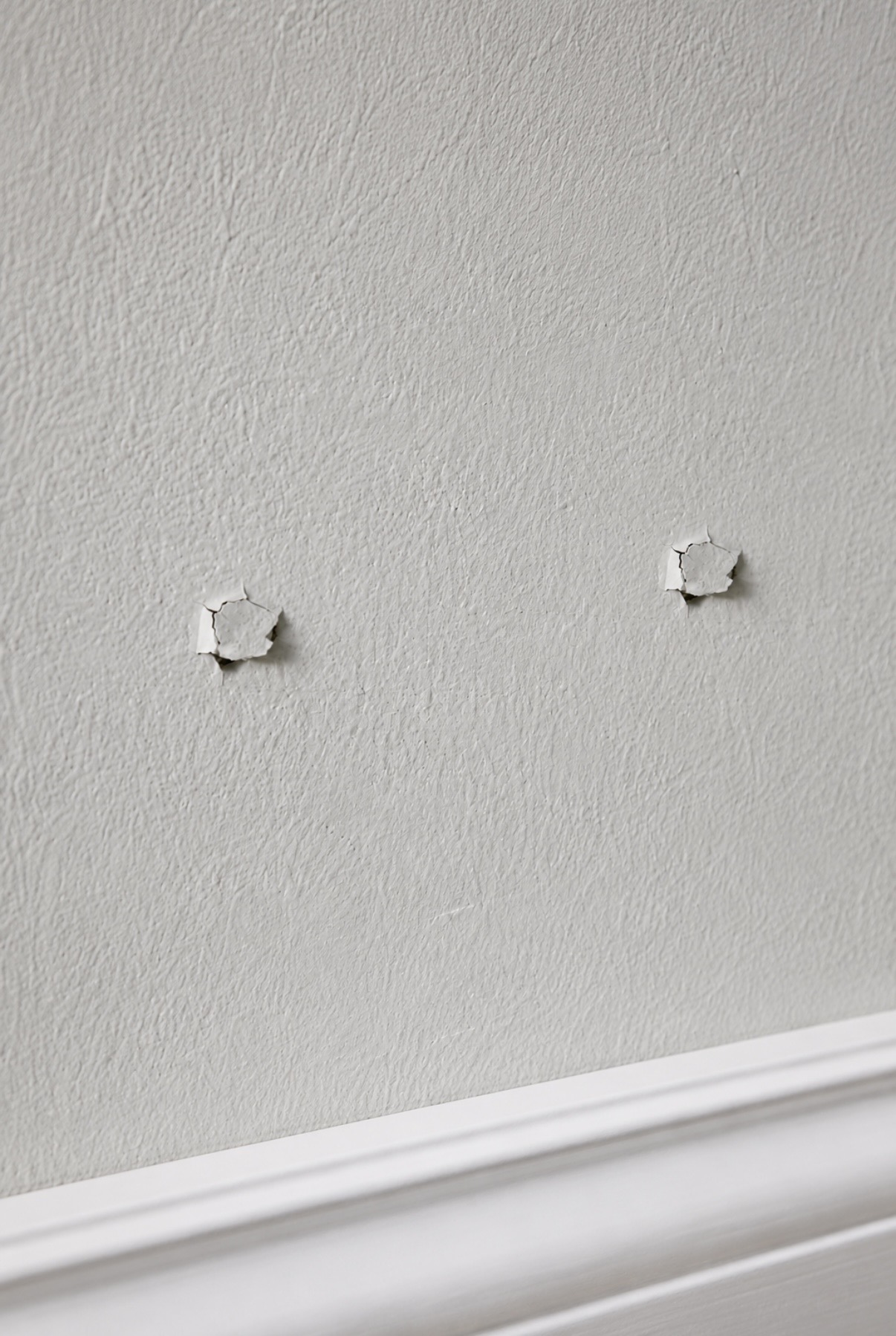
Understanding Drywall Nail Pops.

Have you noticed small, round protrusions on your interior walls or ceiling? While they may seem like minor construction flaws, these drywall nail pops often signal a deeper issue: foundation settlement.

Foundation Crack Repair tech working on an interior wall

What Do Nail Pops Look Like?

For homeowners across Long Island, Foundation Crack Repair LLC specializes in resolving drywall nail pop concerns by addressing the underlying cause of the damage — not just patching the symptom. Let’s explore the causes of drywall nail pops, when DIY makes sense, the proven repair methods, and why these issues should not be ignored.

Nail pops manifest as round blemishes or dome-like protrusions on drywall surfaces. These defects result from rising rust through the paint and plasterboard. Drywall nail pops may seem cosmetic, but they often indicate structural concerns.

  • Drywall nail pops often accompany other problem signs, such as:
  • Drywall cracks
  • Sticking doors and windows
  • Uneven flooring
  • Gaps between walls and floors
  • Chimney cracks

What Causes Drywall Nail Pops?

Uneven Foundation Settling

Foundation settling is the primary cause of drywall nail pops. Maturing tree roots near the foundation, poor drainage, plumbing leaks, subpar construction, and Long Island's shifting soil conditions can all cause foundation movement, misaligned walls, and drywall nail pops.

Inferior Construction Materials

Some builders use lower-quality drywall or nails, increasing the likelihood of nail pops. Seasonal temperature and moisture changes — combined with your home's natural aging — can also contribute. Quality materials reduce the risk.

Natural Drying

Wood framing in newer homes contracts as it dries over time, creating pressure that forces nails out and causes drywall nail pops. Addressing foundation settling preserves your home's structural integrity.

Temperature & Humidity Swings

Repeated expansion and contraction of framing members during seasonal swings push fasteners outward over time.

Limited-Time Promotion

No Interest for 12 Months
on qualifying repairs.

Don't let financing delay a fix that can't wait. Spread the cost — interest-free.

How to Repair Drywall Nail Pops

Repairing nail pops effectively requires addressing the underlying cause. Quick cosmetic fixes won’t hold if your home keeps shifting.

Foundation Inspection First

Identify whether nail pops point to a deeper foundation issue.

Install Foundation Solutions

Helical piers, push piers, or wall reinforcement to stabilize the structure.

Drywall Restoration

Once the foundation is stable, replace the popped nails with screws, patch with joint compound, sand, prime, and paint.

How Foundation Crack Repair LLC Repairs Drywall Nail Pops

At Foundation Crack Repair LLC, we don’t just patch over nail pops — we get to the root cause. Our process includes:

01.
Comprehensive Inspection
Our team conducts a thorough free inspection to determine if the nail pops indicate a deeper foundation issue.
02.
Tailored Foundation Solution
If a foundation issue is identified, we provide a customized solution to stabilize and reinforce your home's structure.
03.
Drywall Repair
Once the foundation is stable, we'll address the nail pops by replacing the protruding nails with screws and applying joint compound for a smooth, finished look.
04.
Painting and Finishing
Final touch-ups blend the repair seamlessly into your existing wall.

Why Nail Pops Need Immediate Attention

Ignoring nail pops can lead to escalating issues:

Worsening foundation problems that grow more expensive to repair.
Decreased home value and aesthetic appeal.
Increased risk of structural damage.
Potential safety hazards if foundation issues worsen.
If you see nail pops in your walls or ceiling, contact Foundation Crack Repair LLC for a free inspection. We’ll diagnose the underlying cause and design a permanent solution.

Award-Winning Service

5.0 Rating · Based on verified Google Reviews

Get Your Free Inspection.

Honest assessment. Written estimate. Lifetime warranty on every install.

Call Now — 631-410-3388